

In recent times, you must have heard a lot about NFTs or non-fungible tokens. Although the technology has been around for a while, the popularity of this term boomed in 2020 and has been growing since then.
In this blog, we will walk you through what is a non-fungible token, how it works, its common uses, marketplaces, risks, future, and much more. By the end of it, you will have a clear understanding of NFTs that will help you make informed decisions.
30-Second Summary
With a rise in the popularity of NFTs, it is natural to feel curious about what it is. In this blog, we will break down everything about non-fungible tokens, including
- What is a non-fungible token (NFT)?
- How it works
- Its use cases
- NFT marketplaces
- Its benefits
- Its risks and challenges, and
- Its future
What is a Non-Fungible Token (NFT)?
Non-fungible tokens (NFTs) are unique digital assets and cannot be replaced. They show the ownership of something unique, like a digital artwork, collectible, or in-game item.
In contrast, cryptocurrencies and physical money are “fungible”: they can be traded or exchanged for one another.
Every NFT has a digital signature that makes each of them unique. It can be in any digital format, such as video, audio, or photos.
In short, NFTs are verifiable, scarce, and owned by a single person at a time, like a rare asset.
If you are not familiar with the difference between fungible and non-fungible assets, here is a table that explains them in simple words.
| Feature | Fungible Assets | Non-Fungible Assets (NFTs) |
| What it means | Can be exchanged for the same thing | Each item is unique and cannot be swapped one-on-one |
| Examples | Money, Bitcoin, and gold | Digital art, collectibles, and in-game items |
| Uniqueness | All units are the same | Each item is one-of-a-kind |
| Can it be divided? | Yes, can split into smaller parts | Usually, no, you own the whole item |
| Ownership proof | General ownership and not unique | Blockchain shows the exact owner and history |
| Value | Same for every unit | Depends on rarity and demand |
| Transfer | Easy to swap | Ownership is recorded and tracked |
NFT Definition in Blockchain
NFTS live on blockchain, which is a shared public digital ledger. Blockchain basically tracks who owns an NFT, when it was created, and its entire history.
NFT follows specific token standards such as ERC-721 and ERC-1155. These standards define how these digital assets were created and managed, and ensure that each of them is verifiable, secure, and unique.
History of NFTs
NFTs have been around for a long time before thet became mainstream. The first-ever NFT, called Quantum, was created in 2014 by Kevin McKoy on the Namecoin Blockchain.
It was then minted on Ethereum and was sold in 2021. This marked the beginning of NFTs being unique digital assets on all blockchain networks.
Today, most NFTs are created on the Ethereum blockchain, and they follow the ERC-721 standard. This standard defines how each token is created, verified, and transferred, as well as whether all of them are unique.
Later, ERC-1155 improved on this and allowed multiple NFTs to be grouped in a single contract, reducing overall transaction costs.
One of the earliest popular NFT projects is CryptoKitties. It was launched in November 2017. Each “CryptoKitty” is a digital cat with unique traits called “cattributes.” Some traits are rarer than others, making them more valuable.
Moreover, CryptoKitties could “breed” to create offspring with more unique traits. It led to an active community of trading and collecting that spent millions on it in just a few weeks.
Another early NFT project, called Dencentraland, was also launched in 2017. It is a blockchain-based virtual world where people can buy, trade, or sell digital plots of land.
Each of the plots is tied to its unique coordinates. Some parcels are more valuable due to their location, representing scarcity and premium pricing in the virtual world of real estate.
After the success of these projects, other blockchains also adopted their own NFT standards, expanding the concept of digital ownership beyond art and collectibles.
How NFTs Work
Non-fungible tokens are made through minting. The NFT minting process involves encrypting the asset’s information and recording it on a blockchain. This process turns a digital file, like video, art, or music, into a unique token that can be sold, traded, or bought.
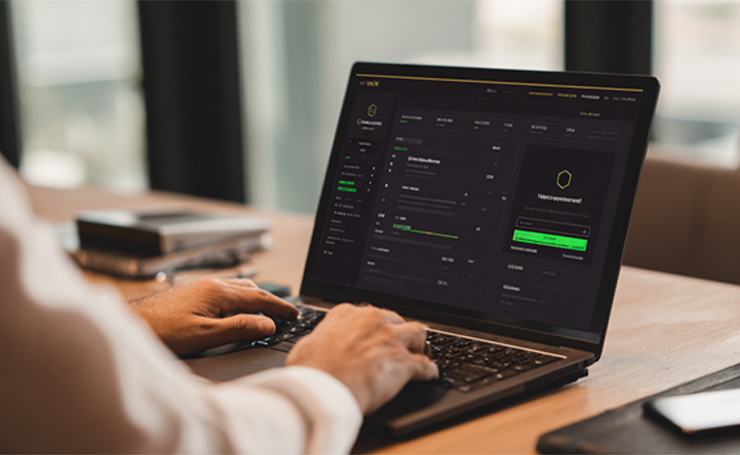
You can sell, trade, or buy non-fungible tokens on online exchanges or marketplaces. The creator or current owner chooses a specific price, or you can participate in an auction where you bid on an NFT.
Depending on the marketplace, the fees for each transaction can be different. Some other aspects to understand are
Blockchain Technology
NFTs are created and traded on blockchains, primarily Ethereum. The transparency of the blockchain ensures that the public can trace the ownership of the asset.
You can also use a pseudonym to protect your privacy. Moreover, a blockchain certificate of ownership proves that you own a digital asset, just like the signed piece of art in the real world.
Digital Ownership
NFTs are like modern-day collectibles. They are bought and sold online with no physical equivalent. An NFT represents digital proof of ownership.
The blockchain records the owner of the asset and its history. This is called provenance, which helps prove authenticity.
Smart Contracts
Smart contracts are important to manage NFTs and assign ownership during the minting process. Smart contracts are also used to control the activation and deactivation of NFTs.
NFT Use Cases
The early NFT market was more focused on digital art and collectibles. But now, it has evolved into much more. For instance, the marketplace called OpenSea has many categories.

- Photography: Photographers can tokenize their work. They can also offer complete or partial ownership.
- Sports: These are collections of digital artwork of celebrities and sports personalities.
- Trading cards: These are digital, tokenized trading cards. Some of them are collectibles, while others are traded in video games.
- Utility: These NFTs represent membership or unlock different benefits.
- Virtual worlds: These NFTs give you ownership of anything, from avatar wearables to digital properties.
- Art: These NFTs include every type of art, from pixels to abstracts.
- Collectibles: Some examples of NFTs in this category include Crypto Punks, Pudgy Panda, and Bored Ape Yacht Club.
- Domain names: These NFTs represent ownership of domain names for your websites.
- Music: Musicians can also tokenize their music and give buyers the rights artists want them to have.
NFT Marketplaces
NFTs are mainly sold, bought, and traded on online marketplaces. Most NFT marketplaces fall into these three categories.
- Open marketplace: Here, anyone can buy, sell, or mint NFTs. Open marketplaces usually mint NFTs for you, but creators can mint their own NFTs as well.
- Closed marketplace: Creators have to apply to join these marketplaces. Minting is done by the marketplaces, and buying and selling are more restricted.
- Proprietary marketplace: This marketplace sells NFTs that are copyrighted and trademarked by the company that operates them.
Some popular platforms are
- OpenSea: It is one of the largest NFT marketplaces.
- Rarible: It allows people to create and trade NFTs.
- Foundation: It focuses on digital art and creative projects.
Marketplaces make it easy for creators to sell NFTs and for buyers to discover these different and unique digital assets.
Benefits of NFTs
NFTs are not just collectibles. They have many benefits for all creators, collectors, and the digital economy.
- True Digital Ownership
NFTs are proof of ownership through blockchain technology. Unlike regular virtual files that can be copied endlessly, NFTs are verifiable and unique. They give owners a secure way to claim their digital assets.
- Creator Empowerment
Content creators, artists, and musicians can sell their work as non-fungible tokens without the help of any third parties. This allows them to earn royalties every time the NFT is resold.
- Authenticity and Provenance
Every NFT is recorded on the blockchain. This makes it easy to track its origin, ownership changes, and avoid counterfeit digital items.
- New Investment Opportunities
NFTs can be bought, sold, and traded like traditional assets. Users can invest in digital art, game items, and virtual real estate and get an increase in value over time.
- Accessibility and Global Reach
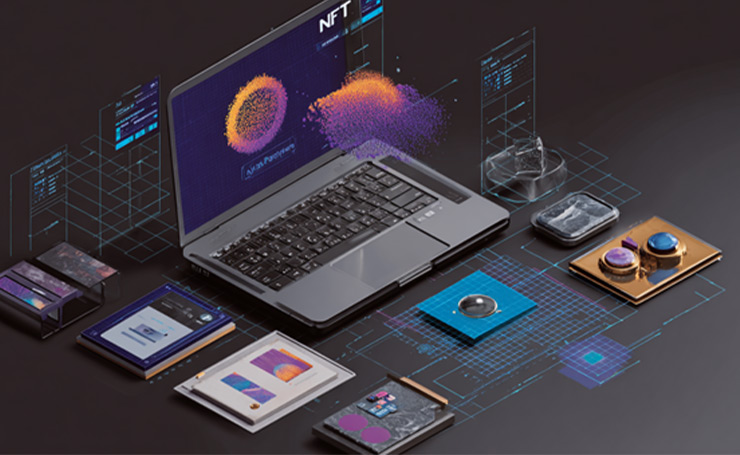
NFTs exist on the internet, which allows creators to reach a global audience easily. People from all over the world can sell, buy, and trade NFTs without any hassle.
- Interoperability in Digital Worlds
Many NFTs, particularly the ones in gaming and the metaverse, can be used across different platforms. For example, an NFT game item can be used or transferred in any other game or virtual world.
- Innovation in the Digital Economy
NFTs are creating new forms of digital content monetization. From digital art galleries to virtual real estate, they offer exciting opportunities for the future of online ownership.
Risks and Challenges of NFTs
Before you decide to invest in NFTs, you need to know about the potential challenges and risks involved.
Environmental Impact
The creation, storage, and trading of NFTs require a lot of energy, just like cryptocurrency mining. These processes can result in high energy consumption and cause electronic waste.
Price Volatility
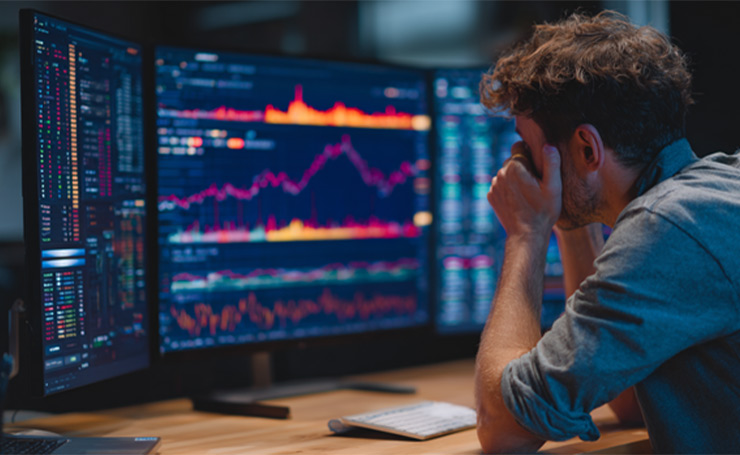
NFTs are considered extremely speculative assets. Their value depends on market demand and rarity, not tangible goods. This is why it can fluctuate dramatically. Investors can either make significant profits or lose money quickly.
Security Risks and Scams
NFT marketplaces have seen fraud and scams, like
- Wash Trading: Artificially increasing NFT prices.
- Rug pulls: Developers abandoning the project and taking investors’ funds.
- Fake NFTs and impersonations: Selling counterfeit tokens.
Legal and Ownership Challenges
Buying an NFT does not always mean owning the copyright. The creator may hold the rights to display, modify, and distribute the work. Smart contracts can also affect ownership if you do not review them carefully.
Speculative Market Concerns
NFTs sometimes experience price bubbles, where hype increases the value temporarily. The 2021 NFT boom showed how prices can crash when speculative interest fades, resulting in losses for investors.
Future of NFTs and Digital Ownership
NFTs are still a new technology, but they have huge potential.

- In gaming, NFTs allow players to own in-game items truly and trade them freely.
- In art and collectibles, NFTs give creators a new opportunity to monetize their work and reach people globally.
- In the metaverse, NFTs represent the ownership of virtual lands, digital assets, and buildings.
NFTs are slowly changing the future of digital ownership, giving people more control over unique digital items than ever before.
In a Nutshell
If you are curious about what is a non-fungible token (NFT), this blog explains every aspect in detail. An NFT or non-fungible token is a unique digital asset that a user can own, sell, and trade through blockchain technology.
From digital art to game collectibles, NFTs are changing the idea of ownership in the virtual world. Understanding how NFTs work and staying informed is crucial before investing.
Learn more about the latest information on digital currency by visiting The Crypto Trends.
FAQs
What is a Non-Fungible Token?
An NFT (non-fungible token) is a unique digital asset that is stored on a blockchain. NFTs are one-of-a-kind and cannot be exchanged on a one-to-one basis. NFTs provide and prove ownership of digital items, such as music, art, videos, and collectibles.
How does NFT Ownership Work on the Blockchain?
NFT ownership is recorded on the blockchain, which makes it secure and verifiable. The blockchain keeps a permanent history of who owns the NFT, when it was minted (created), and its entire transfer history, ensuring provenance and authenticity.
How does the NFT Minting Process Work?
Minting is the process of creating NFTs (non-fungible tokens) on the blockchain. When you mint an NFT, a digital file like art, audio, or video gets converted into a unique token. This process assigns ownership, verifies the authenticity of the asset, and allows it to be bought or sold.
Where can I Buy and Sell NFTs Safely?
NFTs are traded on NFT marketplaces, such as Foundation, Rarible, and OpenSea. These platforms offer a secure environment for creators and collectors to sell, buy, and verify NFT ownership on the blockchain.
Can I convert an NFT into Real Money?
Yes, you can convert an NFT into real money; you have to follow some steps. First, you need to sell your NFT on NFT marketplaces in exchange for cryptocurrency. After that, you can convert cryptocurrency into traditional money like dollars through a crypto exchange like Coinbase or Binance.
