

The possibility of sending money to anyone anywhere in the world without needing a bank or middleman is not a concept of the future anymore. It is made real by Bitcoin, which is the first and most famous decentralized digital currency.
It has transformed the way people think about money, investments, and financial freedom. In this guide, we will cover what is Bitcoin, how it works, its history, its pros, its risks, and its future prospects.
30-Second Summary
Recently, Bitcoin has become a famous digital currency and is being widely adopted by the masses. Whether you are a beginner or just curious, understanding what is Bitcoin is important.
In this blog, we delve into its details, including the history of Bitcoin, blockchain technology, Bitcoin Mining, how transactions work, and Bitcoin wallets.
Moreover, you will learn about the value of Bitcoin, how to use it, its risks and benefits, and its scope in the future.
What is Bitcoin?
Bitcoin (BTC for short) is a type of cryptocurrency. In fact, it is the first peer-to-peer currency that exists only in digital form. It works on a decentralized system, meaning it operates without any government or bank.
Unlike our traditional currency, which exists in paper notes and coins, Bitcoin does not have any physical form.
People use Bitcoin for investments, transactions, and as a store of value. Its value comes from its limited supply (its maximum number is only 21 million) and trust in technology.
In short, Bitcoin enables you to send money safely and globally, without needing a middleman.
History of Bitcoin
Bitcoin was created by an anonymous person (or a group of people) named Satoshi Nakamoto. The concept of Bitcoin drew inspiration from the works of Wei Dai and other cypherpunks who wanted to use cryptography for privacy and security in this digital age.
Satoshi Nakamoto introduced the white paper for Bitcoin in 2008 and launched it in 2009. Since then, Bitcoin has attracted individual and institutional investors and is being adopted by a lot of people.
Milestones in Bitcoin’s History
- 2008: The whitepaper titled “Bitcoin: A Peer-to-Peer Electronic Cash System” was published.
- 2009: The first network of Bitcoin was launched.
- 2010: Bitcoin gained real-world value when software developer Laszlo Hanyecz paid 10,000 BTC for two pizzas.
- 2017 and 2021: These two years saw Bitcoin hit record prices, attracting massive global attention.
How Bitcoin Works
Have a look at how Bitcoin works.

Bitcoin Blockchain Technology
Blockchain is a public shared ledger that is linked together through cryptographic techniques.
“Shared” means that this digital record is distributed among many computers instead of being kept in one place. This makes it secure and hard to tamper with.
These computers have automated programs that maintain these blockchains and all the functions that are important for their operations.
A block in the blockchain is like pages in a record. Each block has a header with key information, a transaction counter that shows the number of transactions it holds, and the transactions themselves (the actual record of activity).
The block header is made of several components.
- Software version: It is the running version of the block and is also called the magic number sometimes.
- Previous block hash: It is the encrypted information of the prior block.
- Merkle root: It is a single hash (encrypted information) that has the encrypted details of all the previous transactions.
- Timestamp: It is the date and time when the block was opened.
- Difficulty target: It is the current network problem that miners actively try to solve.
- Nonce: This term is short for a “number used once”. It is used to solve mining problems and open the block.
Every block contains the encrypted or hashed information of the previous block. This creates a chain of encrypted files (blocks) that has the information of all the previous blocks, linking back to the first block of the blockchain.
Bitcoin Security and Encryption
Bitcoin uses the SHA-256 algorithm to encrypt the data stored in the blocks of the blockchain. In other words, the transaction information in a block is hashed using a 256-bit (64-digit) hexadecimal number.
This number stores all the information and data linked to the blocks before that block.
Bitcoin Mining Explained
Bitcoin mining is the process of recording Bitcoin transactions on the blockchain. Miners use robust computer systems to solve complex mathematical problems.
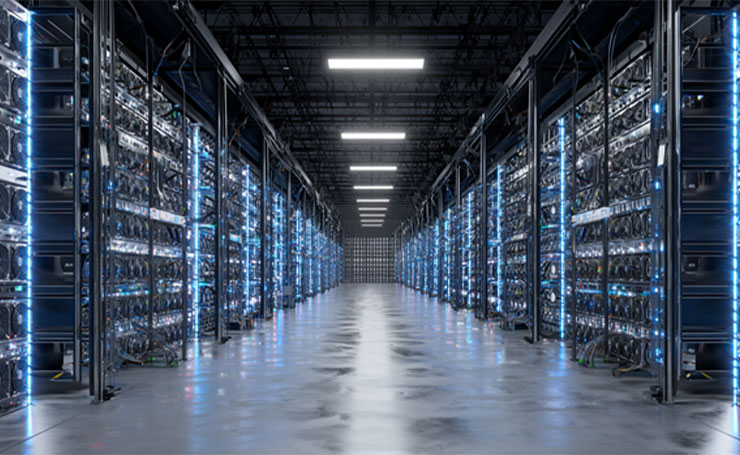
This validates transactions, adds them to the blockchain, and ensures that the network remains trustworthy and protected.
How the Bitcoin Mining Process Works
- Transaction Verification: Every Bitcoin transaction is verified by the network. Miners check whether the sender has enough balance and the transaction follows all the rules.
- Solving the Puzzle: Miners participate in a competition to solve a digital puzzle that uses cryptography to add a transaction to the blockchain. The first miner to solve this complex puzzle adds the block to the blockchain.
- Proof of Work: This entire process is called “Proof of Work.” It needs robust computational energy and power to ensure that no fraudulent transactions are added.
Why Bitcoin Needs Miners
- Security: Miners prevent double-spending (using the same Bitcoin twice) and fraud by verifying transactions.
- Decentralization: No single entity controls Bitcoin. The entire network relies on miners worldwide to maintain the integrity of the system.
- Issuance of New Bitcoin: Mining is also necessary to create new bitcoins and release them into circulation.
Mining Rewards
Miners get two types of rewards.
- Block Reward: Miners get newly minted bitcoins for adding a block. This reward halves approximately every four years (known as Bitcoin Halving).
- Transaction Fees: Miners also get the fees included in transactions, which provides them with additional income.
Requirements for Mining
To mine Bitcoin effectively, you need
- Specialized Hardware (ASICs): These are powerful computers designed specifically for mining.
- Mining Software: These are the programs that link your hardware to the blockchain network.
- Internet and Electricity: Miners need continuous electricity and a reliable internet connection.
- Mining Pool Membership: It is a group of miners who work together to earn rewards. This is optional but very common among miners.
Downsides of Mining
- High Electricity Costs: Mining consumes an enormous amount of energy.
- Expensive Equipment: ASIC miners are expensive and become outdated quickly.
- Environmental Concerns: Bitcoin mining also contributes to carbon emissions due to energy consumption.
Where Is Bitcoin Mining Illegal?
In some countries, Bitcoin has either been heavily restricted or banned due to financial risks, energy use, and potential for illicit activities. Before participating, you should check your local laws and regulations.
How Bitcoin Transactions Work
When you send Bitcoin to someone, it does not get processed through a bank or central authority. It is processed through a Bitcoin network, which is made up of a decentralized system of computers called nodes.
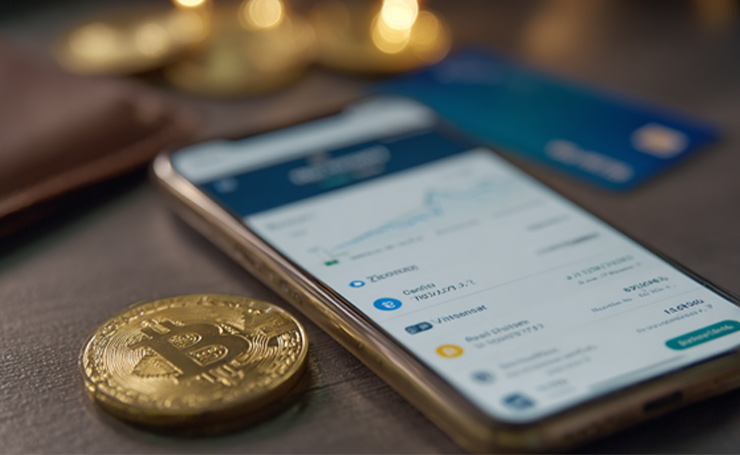
Here is the step-by-step process of how Bitcoin transactions work.
Initiating a Transaction
You make the transaction using the Bitcoin wallet. The transaction includes the amount of Bitcoin, the recipient’s public key (Bitcoin address), and a digital signature created with your private key.
Role of Public and Private Keys
Understanding public and private keys in Bitcoin is necessary. A public key is like an account number. People use it to send you Bitcoin.
A private key is like a password you use to make transactions and prove ownership of your Bitcoin. Do not share it, as anyone who has your private key can use your Bitcoin.
Verification by Miners
After you submit a transaction, it goes straight to the network of miners. They group transactions into a block and use computational power to solve a complex maths problem (called Proof of Work).
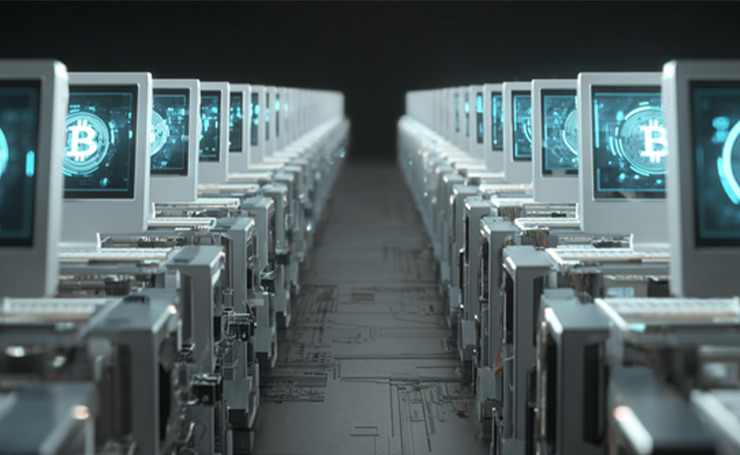
After a block is verified, it is added to the blockchain, which keeps the records of all previous transactions.
Transaction Confirmation
A transaction is considered confirmed when it is added to a block of the blockchain. More confirmations make the transaction more irreversible and secure.
Security
The security of the transaction is foolproof. The blockchain cannot be tampered with; therefore, no one can change the transaction history. This system ensures there is no fraud or double-spending.
In short, Bitcoin transactions rely on public and private key cryptography and blockchain verification for fast, secure, and irreversible transactions.
Bitcoin Wallet Explained
A Bitcoin wallet enables people to store, send, and receive Bitcoin. Essentially, these wallets do not store the coins; they store public and private keys that show ownership of your Bitcoin.

Have a look at the main types of Bitcoin wallets.
Software Wallets
These wallets are stored on your phone or computer as apps, for example, Exodus, Electrum, and Trust Wallet.
- Pros: They are easy to use and convenient for day-to-day transactions.
- Cons: They are also at risk of getting malware if the device they are installed on gets compromised.
Hardware Wallets
These are physical devices (like USB sticks) that store our private and public keys offline, for example, Trezor and Ledger Nano S.
- Pros: They are extremely secure as they are offline.
- Cons: They cost more money and are not ideal for frequent transactions.
Web Wallets
These are all the online wallets that are hosted by a third party, for example, the Coinbase wallet and the Blockchain.com wallet.
- Pros: They are easily accessible anywhere through the internet.
- Cons: Security is dependent on the provider and has a risk of getting hacked.
How Wallets Work
A wallet generates your private and public keys. When you send a Bitcoin to someone, the wallet signs your transaction with your private key.
When someone sends you Bitcoin, it goes to your public address, which you can access using your private key.
Security Tips for Wallets
- Do not share your seed phrase or private key.
- If you have large amounts of Bitcoin, use a hardware wallet.
- Keep backups of your wallet in secure locations.
- Always keep your two-factor authentication enabled for web wallets.
Basically, a Bitcoin wallet is an interface between you and the blockchain. It ensures you control, send, and receive Bitcoin safely, and also keeps your private key secure.
Why Bitcoin has Value
Bitcoin is considered valuable for the following reasons.

- Scarcity: The total bitcoins that will ever exist is only 21 million, adding to their value.
- Security: Blockchain is a solid, tamper-proof system and ensures that every transaction happens safely.
- Trust: People trust the system, particularly after its global adoption.
The value of Bitcoin is not tied to government, but to trust, utility, and demand.
How to Buy Bitcoin
You can buy Bitcoin through cryptocurrency exchanges. Most people cannot buy an entire BTC due to its price, but they can buy its portions on most exchanges using fiat currency.

For example, you can buy a Bitcoin on an exchange by creating and funding an account through your credit card, bank account, or debit card.
Steps to Buy Bitcoin
- Choose a reputable exchange, such as Kraken, Binance, Coinbase, or any local exchange, depending on your region.
- Create an account and complete your identity verification for legal and security compliance.
- Now you can deposit money through your bank account, debit card, credit card, or other supported payment method.
- Buy Bitcoin by entering the amount you want to purchase.
- Lastly, store your Bitcoin in a digital wallet. A hardware wallet is excellent if you are buying Bitcoin for long-term holding.
How to Use Bitcoin
Bitcoin can be used in diverse scenarios. Many major companies, like Microsoft, AMC, Wikimedia, and AT&T, accept Bitcoin payments.
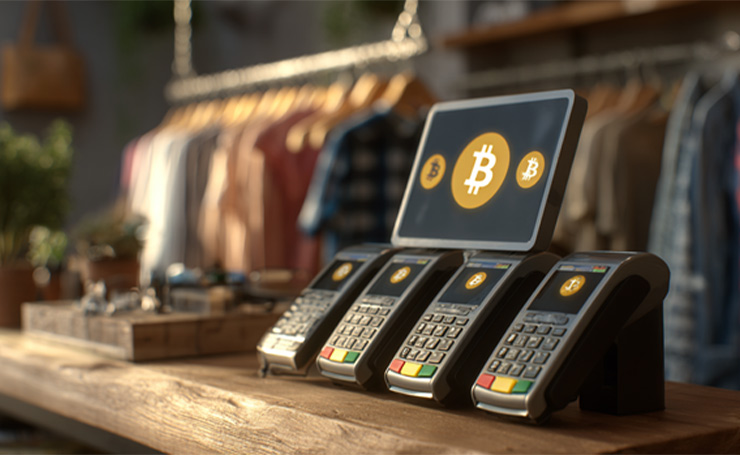
Additionally, Bitcoin is used for
- Investment: People view Bitcoin as valuable for investment, just like digital gold, with the possibility of increasing in price.
- Remittances: Bitcoin offers a fast and affordable way to send money across borders. The fees and transaction time are less than those of traditional remittance services.
- Exchanges: These platforms allow people to sell and buy Bitcoin or swap it for other digital currencies. It also facilitates entry and exit from the market.
- Peer-to-Peer Transactions: Bitcoin allows direct transactions from person to person without any intermediaries. It promotes financial freedom and reduces dependence on traditional banking systems.
Benefits of Bitcoin
Bitcoin has many benefits as a currency and investment.
- Faster Transactions: You can send Bitpcin to someone in 10 to 60 minutes.
- Cheaper Transactions: The price of each Bitcoin transfer is around $0.50 to $2.50. It can be more depending on how busy the network is and how much data is included. However, for comparison, wire transfer fees can be more than $60.
- Decentralization: Decentralization puts people in charge of their finances. The traditional money is handled by banks and brokers, and if the institution fails, access to the asset becomes limited. However, Bitcoin allows you to store access keys directly in your hardware wallet.
- Security: Each transaction goes through multiple verifications. It is nearly impossible to fake, hack, or hijack the network.
Risks of Bitcoin
Let’s look at the risks of dealing with Bitcoin.

Regulatory Risk
Bitcoin exists in a changing regulatory environment. Governments around the world continue to debate the classification and regulation of cryptocurrencies.
Currently, Bitcoin is treated as a commodity or a digital property rather than a security in many regions. However, this classification can change in the future.
Any change in Bitcoin regulation will impact its usage, liquidity, taxation, and long-term adoption by people.
Security Risk
Most people who use and own Bitcoin have not gotten it from mining operations. They sell and buy digital currencies, including Bitcoin, through digital cryptocurrency exchanges.
As these exchanges are entirely digital, they are at risk of hacking, malware, and operational glitches.
Insurance Risk
Bitcoins and other cryptocurrencies do not have insurance from the FDIC and SIPC. However, some major exchanges do offer insurance, such as Coinbase and Gemini.
The insurance from these exchanges only covers failures in their system or cybersecurity threats. Any cash deposit at either exchange is eligible for the “pass-through” FIDC exchange.
Fraud Risk
The security measures within blockchain are strong. However, there is still a risk of fraudulent activities.
Market Risk
As with any investment, the value of Bitcoin is also prone to fluctuation. Over its short existence, it has gone through some extreme price changes.
The prices of Bitcoin depend on volume buying and selling; therefore, it is subject to any positive and negative news related to it.
Bitcoin vs Traditional Currency
| Feature | Bitcoin | Traditional Currency |
| Control | Decentralized | Central banks |
| Supply | Limited to only 21 million | Can be printed anytime |
| Transactions | Fast and global | Slower and depends on banks |
| Security | Blockchain-based | Relies on banks or institutions |
Bitcoin comes with more transparency and efficiency and provides more control, while traditional currency relies on and is backed by governments.
Future of Bitcoin Technology
Bitcoin is just the beginning. Its underlying blockchain technology has various uses in multiple fields like supply chain, finance, healthcare, and more.

As adoption keeps growing, Bitcoin can become a mainstream form of digital money in the future. While it still faces challenges like regulation, scalability, and competition from other cryptocurrencies, the future of Bitcoin technology looks promising.
The Bottom Line
So, what is Bitcoin? It has become more than digital money. It has revolutionized the way we think about currency. You can make an informed decision about whether to buy it or not after understanding how it works, its benefits, and risks.
Whether you are sending money to someone or exploring investment options, Bitcoin is a secure, decentralized, and innovative alternative to traditional currency.
Ready to learn more about the latest information on Cryptocurrency? Visit The Crypto Trends for more in-depth blogs.
FAQs
What is Bitcoin and how does it work?
Bitcoin is a digital currency that works without any banks or central authorities. It operates through a peer-to-peer network and a blockchain ledger that records all transactions securely. Individuals can easily send and receive money anywhere in the world using a digital wallet.
Who created Bitcoin, and why was it invented?
Bitcoin was made by an anonymous developer (or a group of developers) known as Satoshi Nakamoto in 2009. It was invented to provide people with a secure and decentralized alternative to traditional money, which allowed people to make global transactions without relying on banks.
Can you convert Bitcoin into Cash?
Yes, Bitcoin is a convertible currency that can be exchanged for many fiat currencies.
How does Bitcoin differ from Traditional currencies like Dollars?
Traditional currencies are controlled by governments, rely on banks, and can be printed freely. On the other hand, Bitcoin is decentralized, digital, and limited in supply. Additionally, Bitcoin transactions are secure, fast, and peer-to-peer.
Why does Bitcoin have Value, and can it be used in real life?
Bitcoin’s value is high due to its scarcity, security, and trustworthiness. Yes, it can be used in real life to pay for goods, services, and as an investment.
What is Bitcoin Halving and how does it affect Bitcoin’s Supply?
Bitcoin halving happens every four years. It basically reduces the reward miners receive for creating new bitcoins by 50%. This limits the Bitcoin supply and makes it scarce, potentially increasing its value over time.
What is Blockchain Technology?
Blockchain technology is a digital shared public ledger that securely contains all Bitcoin transactions. It is secured in multiple computers rather than one central device. This is why it is transparent and nearly impossible to alter or tamper with.
